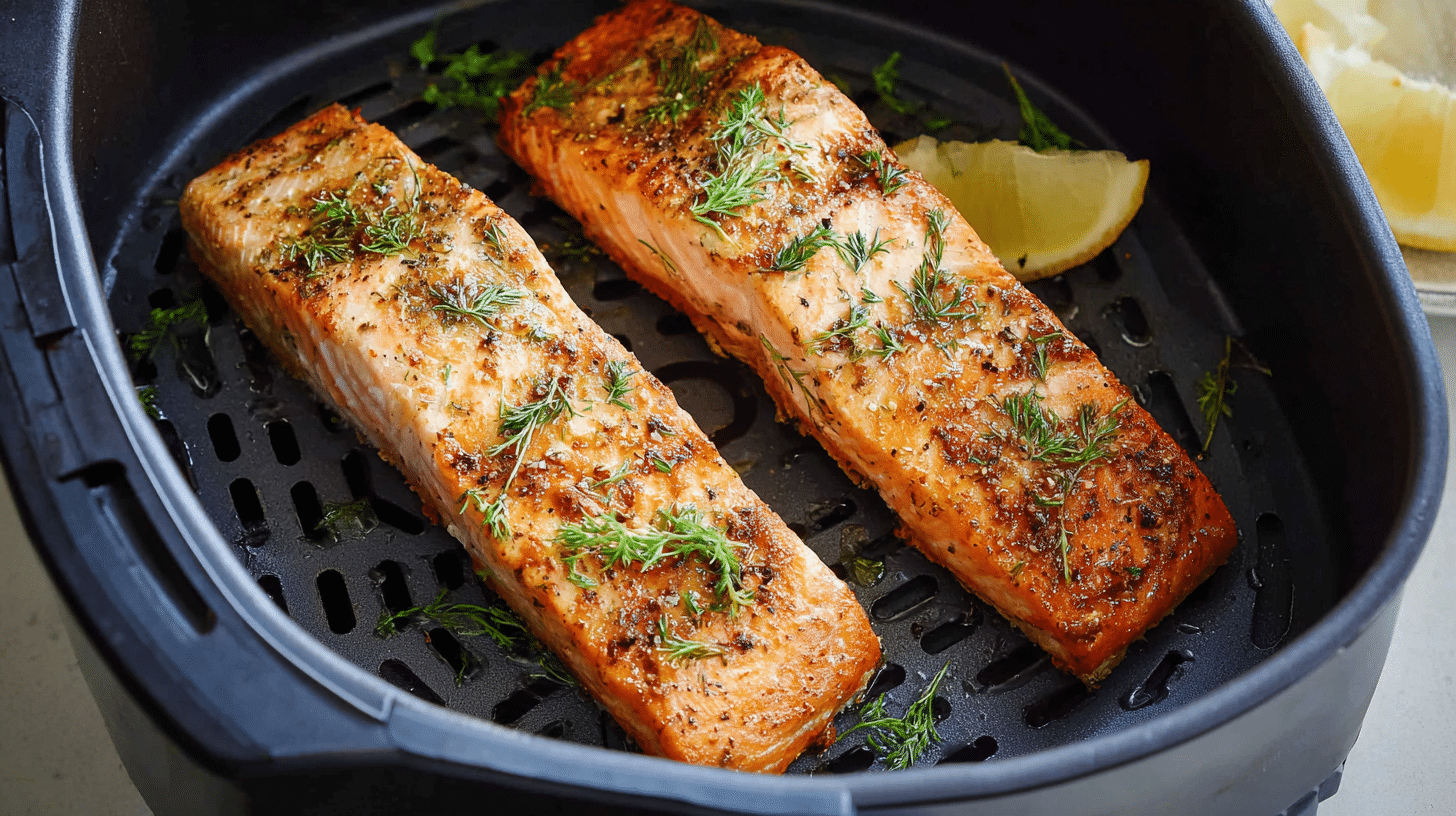
Make this easy air fryer salmon recipe for perfectly crispy edges and a tender, juicy center in about 10 minutes. Simple ingredients, big flavor, and foolproof tips.
This air fryer salmon recipe gives you restaurant-quality fish with a crisp, golden exterior and a moist, flaky center in just minutes. You’ll use simple pantry ingredients, clear step-by-step instructions, and safe cooking temps so your salmon turns out perfect every time.
Table of Contents
Why You’ll Love This Recipe
This air fryer salmon recipe is perfect for busy weeknights because it cooks in about 10 minutes while still giving you a crisp, “oven-roasted” finish without heating up your whole kitchen. You get consistent results because the air fryer circulates hot air around the fish, helping it cook evenly and quickly.
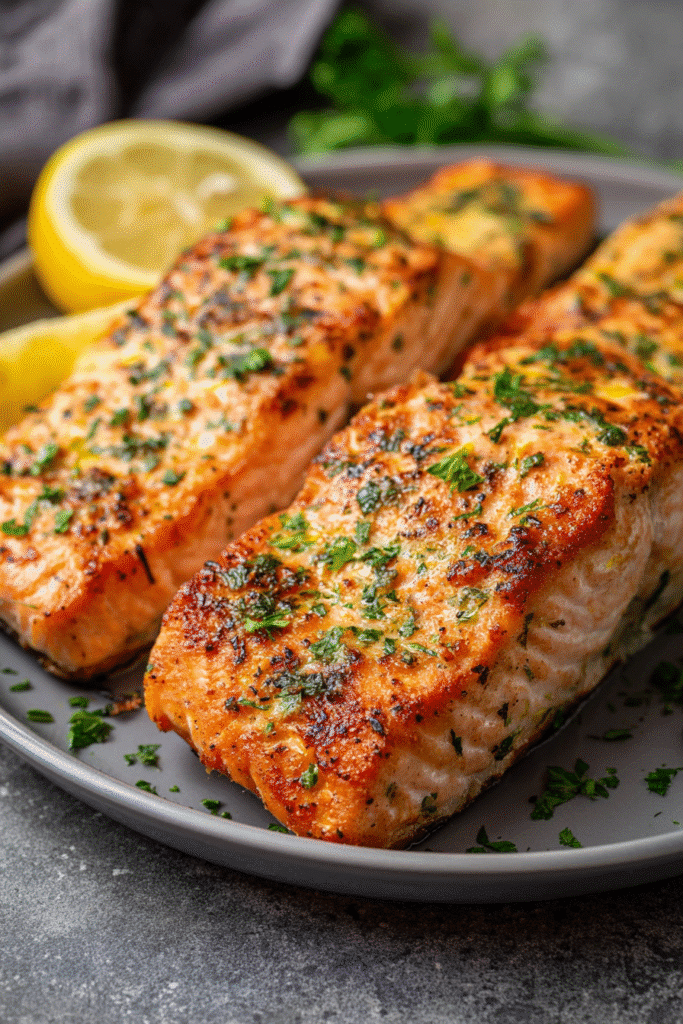
You’ll love how flexible this recipe is: you can keep it simple with salt, pepper, and garlic, or dress it up with spices, glazes, or herb butters. It also pairs easily with quick sides like air fryer vegetables, rice, or a simple salad, so dinner feels “put together” without much effort.
Print
Air Fryer Salmon Recipe
- Total Time: 20 minutes
- Yield: 4 salmon fillets (about 6 oz each) 1x
Description
This easy air fryer salmon recipe gives you crispy edges and a tender, flaky center in about 10 minutes, using simple pantry ingredients. It’s perfect for busy weeknights, meal prep, or a healthy dinner that still feels special, all with minimal cleanup.
Ingredients
4 (6 oz) salmon fillets, skin-on or skinless
1 tbsp olive oil (or avocado oil)
1 tsp kosher salt
1/2 tsp black pepper
1 tsp garlic powder
1 tsp smoked paprika (or sweet paprika)
1/2 tsp onion powder (optional)
1 lemon, cut into wedges, for serving
Instructions
Pat the salmon fillets dry on all sides with paper towels and let them sit at room temperature for about 10 minutes while you prepare the seasonings.
Preheat your air fryer to 400°F for 3–5 minutes so the basket is hot before adding the salmon.
In a small bowl, mix the salt, black pepper, garlic powder, smoked paprika, and onion powder.
Brush or rub the salmon all over with olive oil, making sure every side is lightly coated.
Sprinkle the seasoning mixture evenly over the tops and sides of the fillets, pressing it in gently so it sticks.
Lightly spray or brush the air fryer basket with oil, or use a perforated air fryer parchment liner if your basket tends to stick.
Place the salmon fillets in a single layer in the basket, skin-side down if using skin, leaving a little space between each piece for air circulation.
Air fry at 400°F for 7–10 minutes, depending on the thickness of the fillets, until the salmon flakes easily with a fork and the internal temperature reaches 130–145°F in the thickest part.
Carefully remove the salmon and let it rest for 2–3 minutes to allow the juices to redistribute.
Serve warm with lemon wedges and your favorite sides such as rice, roasted vegetables, or a simple salad.
Notes
For best texture, use salmon fillets that are about 1 to 1 1/4 inches thick and similar in size so they cook evenly.
If your salmon is very cold from the fridge, it may need an extra 1–2 minutes; start checking doneness early to avoid overcooking.
For extra flavor, add a drizzle of honey or maple syrup to the seasoning mix and reduce the cook time by 1 minute to prevent the sugars from burning.
Food safety guidelines in the US recommend cooking salmon to at least 145°F; if you prefer a juicier texture, you can pull it around 130–135°F and let carryover heat finish cooking, using your own judgment.
- Prep Time: 10 minutes
- Cook Time: 8 minutes
- Category: Main Dish, Seafood, American cuisine
- Cuisine: American, Mediterranean-style American
Nutrition
- Calories: ~380 calories per serving (estimate)
Ingredients
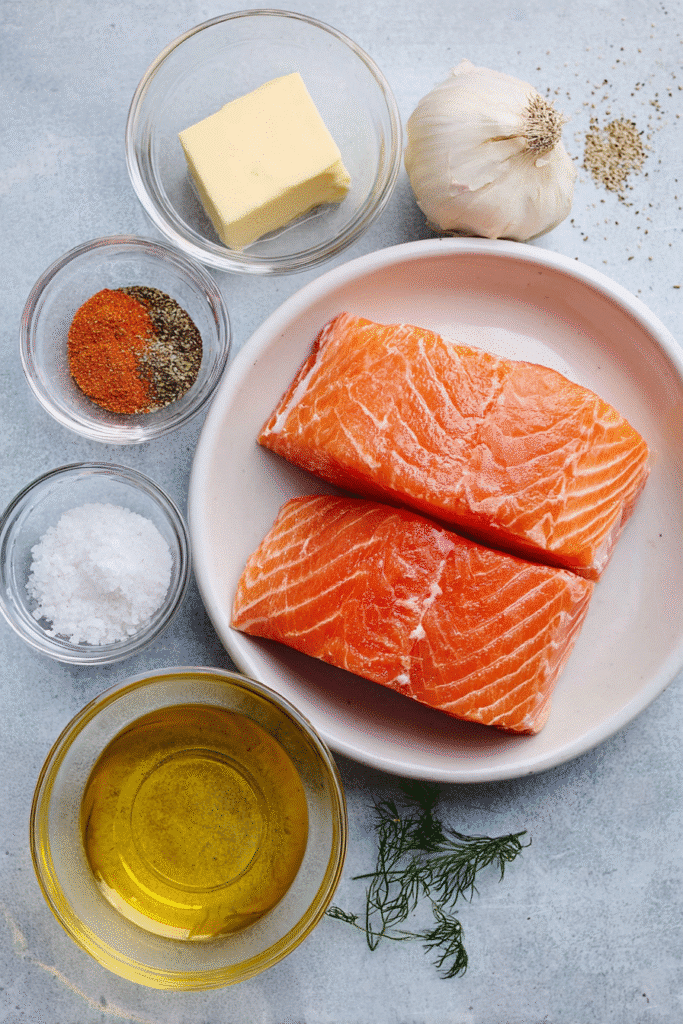
Choosing good salmon and the right seasonings makes a big difference in flavor and texture. Here’s exactly what you need and how to customize it.
Core Ingredients
These are the basics you need to make a delicious air fryer salmon recipe any night of the week.
- Salmon fillets (fresh or thawed)
Aim for 1–1.5 inch thick fillets that are similar in size so they cook at the same speed. Center-cut fillets are great because they tend to be thicker and more uniform, which helps prevent overcooking. - Oil (olive or avocado oil)
A thin coating of oil helps the seasoning stick and promotes that lightly crisp exterior in the air fryer. Choose an oil with a decent smoke point like light olive oil or avocado oil for best results. - Salt & pepper
Fine sea salt seasons the fish evenly, while freshly ground black pepper adds a gentle heat without overpowering the salmon’s natural flavor. - Garlic powder & paprika
Garlic powder gives you savory depth without the risk of fresh garlic burning, and paprika adds warmth and a beautiful color that makes the crust look extra appetizing. - Lemon wedges
A squeeze of fresh lemon right after cooking brightens the dish and balances the richness of the salmon fat.
Pro Tip: If your salmon has a lot of surface moisture, patting it very dry before seasoning helps you get that gorgeous crust instead of steaming the fish.
Optional Seasonings & Variations
Once you’ve mastered the basic air fryer salmon recipe, you can play with flavors based on your mood and what you have in the pantry.
- Sweet & smoky
- Garlic herb
- Mix dried or fresh parsley, dill, or thyme into your seasoning.
- After cooking, top the hot salmon with a small pat of garlic herb butter to melt over the fillet.
- Asian-inspired
- Spicy kick
- Add cayenne pepper, chili flakes, or a Cajun seasoning blend to bring heat.
- Pair with cooling sides like cucumber salad or yogurt sauce.
Flavor Tip: If using sugary glazes, keep the temperature slightly lower (around 350–375°F) and cook a bit longer so the glaze doesn’t burn before the fish is done.
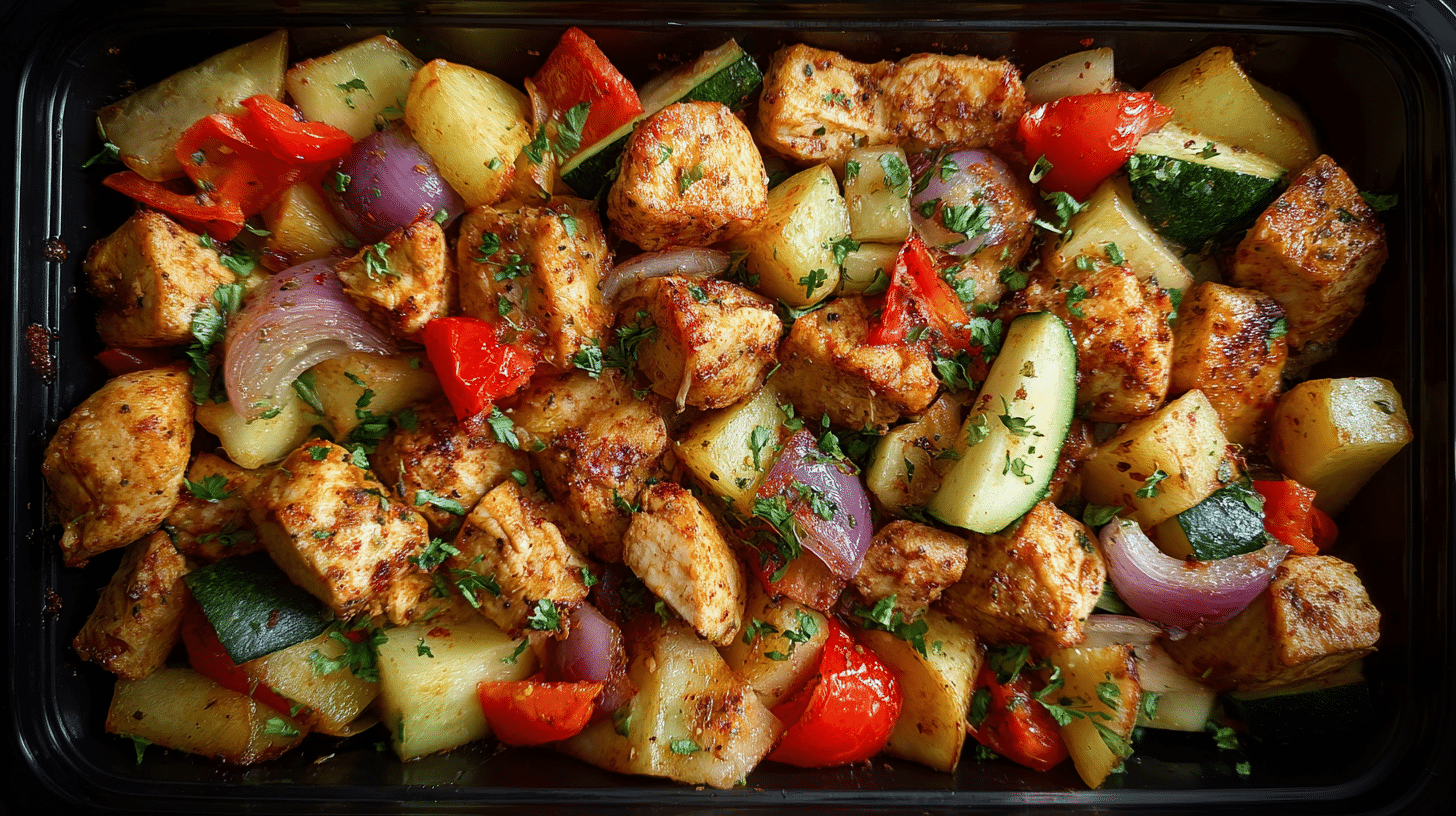
If you’re looking for a simple way to save time during the week, check out this easy chicken meal prep idea for quick and healthy meals.
How to Make Salmon in the Air Fryer (Step-by-Step)
These steps walk you through exactly what to do so your air fryer salmon is crispy outside and tender inside without overcooking.
Step 1 – Prep the Salmon
Start by bringing your salmon closer to room temperature for 10–15 minutes if possible; this helps it cook more evenly, especially in the thick center. Check for any pin bones by running your fingers gently along the flesh and pull them out with tweezers if needed.
Pat each fillet thoroughly dry on all sides with paper towels to remove excess moisture, which can cause steaming instead of crisping. If your fillets have skin, leave it on for now; the skin helps hold the salmon together and insulates the flesh during cooking.
Step 2 – Season the Salmon
Drizzle or brush a thin layer of oil over both sides of each fillet, making sure no dry spots remain so the seasoning adheres well. In a small bowl, combine salt, pepper, garlic powder, paprika, and any extra spices you like, then sprinkle evenly over the top and sides of the salmon.
Press the seasoning gently into the flesh so it sticks and forms a light crust as it cooks. If you plan to add a sauce or glaze, you can either brush on a small amount now or wait until the last 2–3 minutes of cooking to reduce the risk of burning, especially if it contains sugar.
Step 3 – Arrange in the Air Fryer Basket
Preheat your air fryer to 390–400°F (200°C) for about 3–5 minutes to get the basket hot; this jump-starts crisping on contact. Lightly spray or brush the basket or tray with oil if it tends to stick, or use a perforated parchment liner rated for air fryer use (never regular loose paper).
Place salmon fillets in a single layer, leaving a little space between pieces so hot air can circulate around each one. If using skin, place them skin-side down so the flesh is exposed to direct heat and the skin shields the bottom from overcooking.
Step 4 – Air Fry to Perfect Doneness
Air fry the salmon for about 7–10 minutes, depending on thickness and your specific air fryer model. Thinner fillets (around ¾ inch) may be done in 6–8 minutes, while thicker, center-cut pieces (1–1.25 inches) often need closer to 9–10 minutes.
Start checking for doneness a couple of minutes before you expect it to be ready by inserting an instant-read thermometer into the thickest part of the fillet. Salmon is considered safe at 145°F (63°C), but many chefs prefer removing it slightly earlier (around 125–135°F) and letting it rest to avoid drying it out. Let the salmon rest for 2–3 minutes, then flake gently with a fork—if it flakes easily and looks opaque with a slightly translucent center, it’s ready to serve.
Safety Tip: For high-risk groups (pregnant people, older adults, or those with weakened immune systems), aim for the full 145°F internal temperature for extra safety.
Time & Temperature Guide (By Thickness)
Use this guide as a starting point; your exact time can vary slightly based on your air fryer model and how cold the salmon is going in.
Recommended Time & Temperature Table
All times below assume 390–400°F (200°C) and a preheated air fryer:
*Food safety guidelines recommend at least 145°F for fish; many cooks pull salmon off heat slightly earlier and rely on carryover cooking for ideal texture.
If you prefer a softer, more medium-rare texture, you can aim for around 120–125°F in the center, while medium is roughly 130–135°F. Just keep in mind that going below 145°F is a quality choice that comes with a slightly higher safety risk, especially for vulnerable groups.
Pro Tips for Perfect Air Fryer Salmon
A few small details can take your air fryer salmon from “good” to “wow” and help you avoid the most common mistakes.
- Use even-sized fillets
Try to cook fillets that are similar in thickness so they finish at roughly the same time; otherwise, smaller pieces may dry out while thicker ones are still underdone. - Don’t skip preheating
A hot basket helps sear the outside quickly, locking in moisture and promoting a better crust. If your air fryer doesn’t have a preheat function, let it run empty for a few minutes at cooking temperature. - Season generously
Salmon has a rich flavor that stands up well to seasoning, so don’t be shy with salt and spices, especially if you’re serving it with plain sides. - Use a thermometer, not just time
Air fryers vary, so the most reliable way to avoid overcooking is to check the internal temperature. This is especially helpful the first time you make this recipe in a new air fryer. - Let it rest briefly
Resting for a couple of minutes after cooking lets juices redistribute, making the fish more moist and easier to flake.
Common Mistakes to Avoid
- Overcrowding the basket
If you stack or tightly pack the fillets, they may steam instead of crisp and cook unevenly; cook in batches if needed. - Cooking straight from very cold or frozen without adjusting time
Extremely cold or frozen salmon needs more time (or a slightly lower temperature for longer) to cook through without drying the edges. - Cranking the heat too high with sugary glazes
High heat plus sugar can cause burning on the outside while the inside remains undercooked; lower the temp slightly or add glazes near the end. - Skipping food safety checks
Not checking internal temperature and leaving cooked fish at room temperature too long can increase the risk of foodborne illness.
Serving Ideas
This air fryer salmon recipe is incredibly versatile, which makes it perfect for weeknight dinners, meal prep, or even a simple at-home “restaurant” night.
- Quick weeknight plate
Serve with microwaved or instant rice and a bag of steamed frozen vegetables for a full meal in under 20 minutes. - Low-carb option
Pair with roasted or air-fried broccoli, green beans, or Brussels sprouts for a high-protein, lower-carb dinner. - Mediterranean-style
Add a side of couscous or quinoa, a Greek salad, and a drizzle of olive oil and lemon over the salmon. - Salmon bowls
Flake the salmon and serve over rice with sliced cucumber, shredded carrots, edamame, and a drizzle of soy or sriracha mayo for a quick bowl meal.
For a “company-worthy” feel, top the salmon with a dollop of herb yogurt sauce or a squeeze of lemon over a bed of greens and roasted potatoes.
How to Store, Reheat, and Use Leftovers
Handling leftovers properly keeps your air fryer salmon both tasty and safe to eat.
- Storing cooked salmon
Let the salmon cool slightly, then refrigerate within 2 hours of cooking to stay out of the “danger zone” where bacteria multiply quickly. Store in an airtight container in the fridge for up to 2–3 days. - Freezing leftovers
For longer storage, wrap cooled fillets tightly and freeze for up to 2–3 months; thaw overnight in the fridge before reheating. - Reheating safely
Reheat gently in the air fryer at 320–350°F for a few minutes or in a covered pan over low heat until steaming hot throughout; reheating too aggressively can dry the fish. Food safety authorities recommend reheating food only once and making sure it is hot all the way through. - Enjoying leftovers cold
Properly cooked, cooled, and stored salmon can also be eaten cold in salads, sandwiches, or grain bowls, which avoids the risk of drying it out during reheating.
Leftover Ideas:
- Flake into a lemony pasta with peas
- Toss into a green salad with avocado and a simple vinaigrette
- Make salmon salad (like tuna salad) with Greek yogurt or mayo, herbs, and pickles
Nutrition Information (Approximate per 6 oz Cooked Fillet)
Values will vary based on salmon type, exact size, and how much oil you use, but this table gives a reasonable estimate for a basic air fryer salmon fillet with oil and simple seasoning.
| Nutrient | Approx. Amount per Serving |
|---|---|
| Calories | 350–420 kcal |
| Protein | 34–38 g |
| Total fat | 20–26 g |
| Saturated fat | 4–6 g |
| Omega-3 fats | 1.5–2.5 g |
| Carbohydrates | 0–2 g |
| Fiber | 0 g |
| Sugars | 0–1 g |
| Sodium | Depends on added salt |
Salmon is naturally rich in high-quality protein and omega-3 fatty acids, which support heart and brain health when included as part of a balanced diet.
FAQs
Can you cook salmon from frozen in the air fryer, and how does that change time?
Yes, you can cook salmon from frozen in the air fryer, but you’ll need to adjust your method slightly. Some cooks prefer starting frozen fillets at a slightly lower temperature to thaw and cook through more gently, then finishing at a higher temp for color.
A simple approach is to air fry frozen fillets at around 370–380°F for 12–15 minutes, checking the internal temperature and adding time as needed until the thickest part reaches at least 145°F for safety. If you season after the first few minutes, once the surface has thawed, your spices will stick better and form a nicer crust.
Skin on or off, and does it matter?
You can make this air fryer salmon recipe with skin on or off, but leaving the skin on has advantages. The skin helps protect the delicate flesh from direct heat and makes it easier to remove the fillet from the basket without breaking.
If you prefer not to eat the skin, simply cook the salmon skin-side down and slide a spatula between the flesh and skin after cooking; the skin will often stick to the basket or peel away easily. Skinless fillets work too—just be extra gentle when removing them and consider using a parchment liner to prevent sticking.
Do you need to preheat the air fryer, and do you need foil or parchment?
Preheating is highly recommended because it helps the salmon cook more evenly and promotes a crisp exterior, especially in recipes that cook quickly like this one. If your air fryer doesn’t have a preheat button, just run it empty at cooking temperature for a few minutes before adding the fish.
You don’t have to use foil or parchment, but they can help with cleanup and sticking if used correctly. Perforated parchment liners designed for air fryers are safer than regular parchment or foil because they allow air to circulate properly and are cut to fit the basket. If you do use foil or parchment, avoid fully blocking the airflow and always follow your air fryer manufacturer’s safety guidelines.
How do you prevent sticking without ruining the crust?
To prevent sticking, lightly oil both the salmon and the air fryer basket or tray before cooking. Patting the salmon dry first, then oiling and seasoning it, helps create a barrier between the flesh and the metal surface.
Give the salmon a chance to release naturally before trying to flip or move it; if you tug too early, the crust can tear. Using a thin spatula and sliding it under the skin or the bottom of the fillet at a shallow angle can help keep the crust intact while you lift it.
What internal temperature is best, and how do you avoid dry fish?
For food safety, major guidelines recommend cooking salmon to an internal temperature of 145°F (63°C) measured in the thickest part. However, many chefs and experienced cooks prefer pulling salmon off heat earlier, around 120–135°F, depending on how moist and translucent you like the center, and letting carryover heat finish the cooking.
To avoid dry fish, do three things: avoid overcooking by checking temperature early, choose thicker center-cut fillets when possible, and let the salmon rest briefly so juices redistribute. Using the air fryer at a moderate-high temp (around 390–400°F) for a relatively short time helps you hit that sweet spot where the outside is crisp but the inside stays juicy.